
What To Look For When Buying A Bass Boat

Navigating the world of bass boat purchasing can be overwhelming. Our comprehensive guide on what to look for when buying a bass boat will help you make an informed decision. Whether you’re a seasoned angler or a newcomer to the world of bass fishing, the right boat can significantly enhance your experience on the water. Dive into our expert tips and advice on factors such as size, material, essential components to inspect, trailer and tow vehicle considerations, interior and storage areas, and test drives. By the end of this guide, you’ll be equipped to confidently choose the perfect bass boat for your needs.
Article Summary
- Choosing the right bass boat requires careful consideration of size, material and new or used.
- Essential components to inspect include motor, hull, electronics and wiring.
- Test drive experience and obtaining warranty/background information are essential for a successful purchase.
Choosing the Right Bass Boat
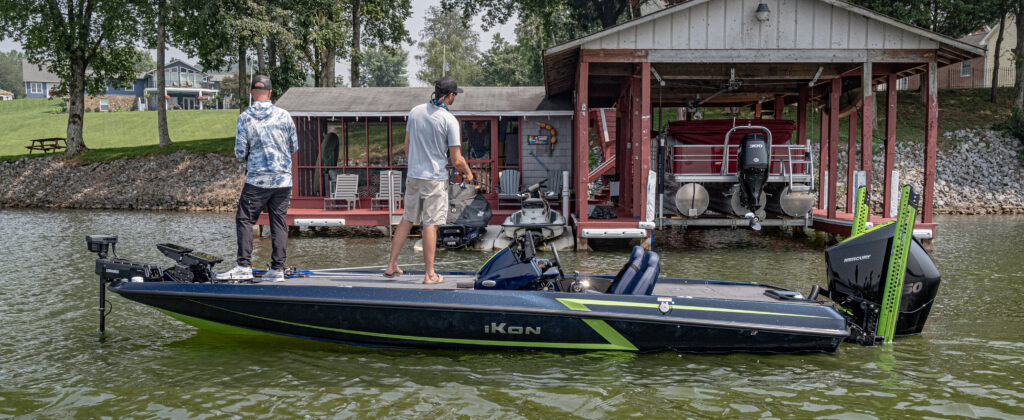
The selection of an appropriate bass boat is a decision of considerable importance, given its significant impact on your fishing experience. As you weigh various factors like size, material, and the choice between new or used, making an informed decision that caters to your specific needs becomes particularly important. Understanding these factors will not only ensure a satisfying purchase but also maximize your enjoyment on the water.
To find the perfect bass boat, start by considering:
- The size of the body of water you plan to fish in
- The number of people who will be fishing
- The material of the boat (aluminum or fiberglass), which plays a significant role in the boat’s performance, durability, and cost
- Deciding between a new or used boat, depending on your budget and personal preferences.
Size and Water Conditions
The size of your bass boat largely depends on the water bodies you intend to fish in and the stability that is necessary for a safe and enjoyable experience. Choosing the right boat size will ensure steadiness and safety, which is crucial when using modern bass boats. For smaller lakes, a 16-17 foot aluminum bass boat would be a suitable choice, especially if it’s your first bass boat.
Keep in mind that the rear of the boat is the most probable area to collide with objects in the water, which can also affect the trolling motor. Thus, it’s vital to thoroughly inspect the boat for any damages or potential issues during the selection process.
A thoughtful consideration of the right boat size, relative to water conditions, will equip you better for a seamless and fruitful bass fishing experience as a bass angler.
Aluminum vs. Fiberglass Bass Boats
When it comes to bass boats, the two most prevalent materials employed are aluminum and fiberglass, each with its own set of advantages and disadvantages. An aluminum boat is more economical and can withstand impacts more effectively, making it an excellent choice for those on a tighter budget. However, it may not be as suitable for larger and more turbulent waters as its fiberglass counterparts.
Fiberglass boats, on the other hand, are capable of enduring larger and more turbulent waters, providing a more comfortable ride. They are a popular choice among bass anglers, but they tend to be more costly than aluminum boats. In the selection between an aluminum boat and a fiberglass boat, weighing the advantages and drawbacks is key to determining which material aligns with your specific needs and preferences.
New or Used?
The decision to purchase a used or new bass boat largely depends on your budget and personal preferences. New boats are more expensive but come with a warranty and tend to be in better condition. However, used boats are typically more affordable but may require more upkeep and attention to detail during the inspection process.
When considering buying a used bass boat, it’s important to find reputable boat dealers or sellers in the boat market to ensure the boat is in good condition. Be prepared to inspect all components of the boat thoroughly, as undetected issues can lead to costly repairs down the line.
A thoughtful consideration of the pros and cons of purchasing a new boat or a used one enables you to make a decision that harmonizes with your budget, preferences, and fishing aspirations.
Essential Components to Inspect
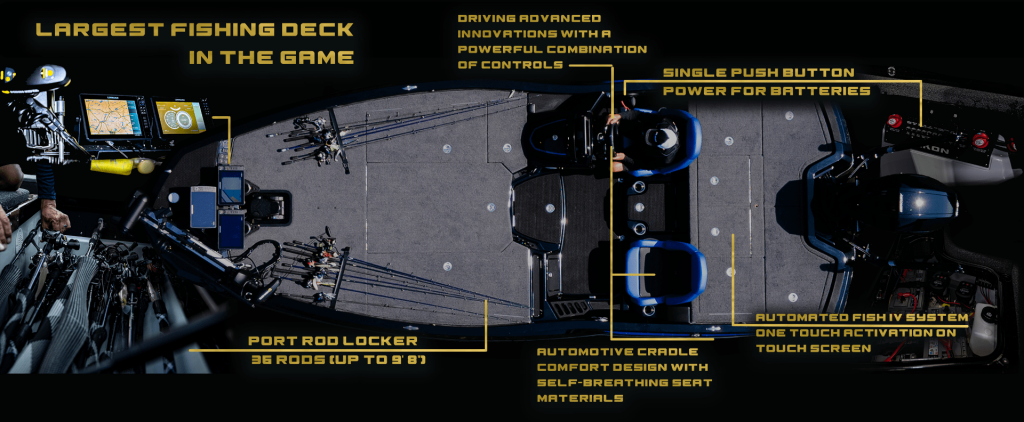
Inspecting the essential components of a bass boat is crucial before making a purchase. Key components, such as the motor, hull, and electronics, must be thoroughly examined to ensure the boat’s performance and safety. Overlooking any of these critical components can lead to unforeseen expenses and potential hazards on the water.
The motor is the most essential component to consider when buying a bass boat. In addition to the motor, it’s important to inspect the boat’s hull for any signs of damage, stress cracks, or leaks. Electronics and wiring should also be evaluated for proper functioning and potential upgrades.
A comprehensive inspection of these crucial components will instill confidence in the boat’s reliability and performance.
Motor and Engine Hours
Assessing the motor’s condition and engine hours is a vital step in the boat-buying process. The number of hours on a pre-owned outboard motor indicates the degree of wear and tear on the motor. It’s essential to be aware of the motor’s engine hours, as this can impact the boat’s performance and longevity.
When evaluating a used bass boat, consider whether the motor is a two-stroke or a four-stroke engine. Four-stroke engines are typically more reliable and provide a smoother ride, making them a popular choice among bass anglers. Additionally, be sure to inspect the motor’s powerhead, water pump, and lower unit for any signs of damage or wear.
An in-depth examination of the motor and engine hours is a key step towards ensuring peak performance of your boat on the water.
Hull and Exterior Condition
A thorough inspection of the hull and exterior condition of a bass boat is crucial before finalizing a purchase. Look for scratches, gouges, and divets that could potentially lead to a leak. Detecting any issues with the hull and exterior can save you from costly repairs and ensure the boat’s reliability on the water.
In addition to inspecting the hull and exterior for signs of damage, it’s essential to check for stress cracks that may indicate structural issues. These seemingly minor imperfections can compromise the boat’s performance and safety. A meticulous examination of the hull and exterior condition will bolster your confidence in the boat’s capacity to weather the demands of bass fishing.
Electronics and Wiring
Properly functioning electronics and wiring are essential for a safe and enjoyable bass fishing experience. Be sure to check the boat’s electronics, such as depth finders, GPS systems, and radios, for proper functioning. Additionally, inspect the wiring for any signs of damage, fraying, or hanging wires, which may suggest additional issues beneath the surface.
Potential upgrades to the boat’s electronics and wiring should also be taken into account, as this can impact the boat’s performance and your overall satisfaction. A thorough inspection of the electronics and wiring guarantees that your bass boat is outfitted with the requisite technology and functionality for a fruitful fishing adventure.
Trailer and Tow Vehicle Considerations
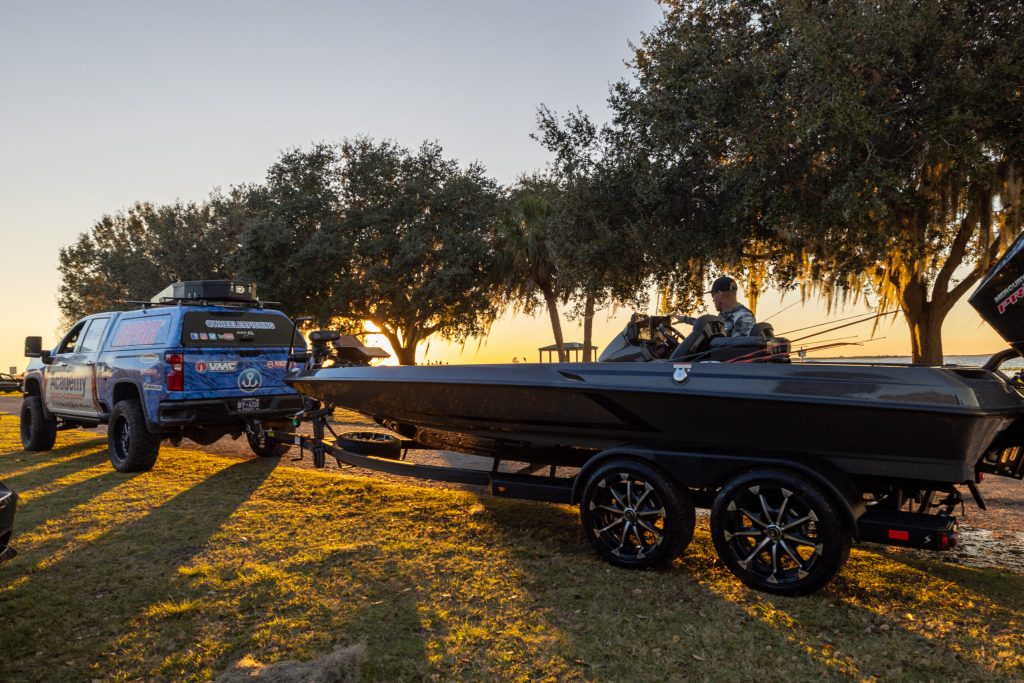
Choosing the right tow vehicle and inspecting the trailer are critical factors when purchasing a bass boat. Ensuring your tow vehicle has the necessary capacity to safely tow your boat is crucial, particularly when hauling your boat up inclines or mountains. An appropriate tow vehicle not only enhances your overall bass fishing experience but also ensures the safety of both your boat and passengers.
In addition to selecting the right tow vehicle, it’s essential to inspect the trailer for any signs of rust, damage, or potential issues. A well-maintained and functional trailer is crucial for transporting your boat securely. Taking into account both the trailer and tow vehicle requirements assures a smooth and secure transportation experience for your bass boat.
Tow Vehicle Requirements
When purchasing a bass boat, it’s essential to ensure your tow vehicle has the necessary capacity to safely tow your boat. Trucks or SUVs with a towing capacity of no less than 5,000 pounds are recommended for most bass boats. A 1/2 ton full-sized truck or equivalent SUV is suitable for towing an 18’+ fiberglass bass boat.
For larger bass boats, a pickup truck or a full-sized SUV is advised. A longer wheelbase truck offers greater stability when towing, ensuring a safe and secure journey. Choosing the right tow vehicle enables you to transport your bass boat to your chosen fishing locations with confidence.
Trailer Inspection
Examining the boat trailer is an essential step in the bass boat purchasing process. Inspect the trailer for rust, damage, and any potential issues that may affect its functionality. Additionally, check the bearings and ensure they are well maintained and functioning properly.
During the inspection, also assess the trailer’s lights and wiring for any signs of damage or malfunction. A functional and well-maintained trailer is crucial for securely transporting your boat to and from your fishing destinations. A comprehensive inspection of the trailer guarantees a secure and dependable transportation experience for your bass boat.
Interior and Storage Areas
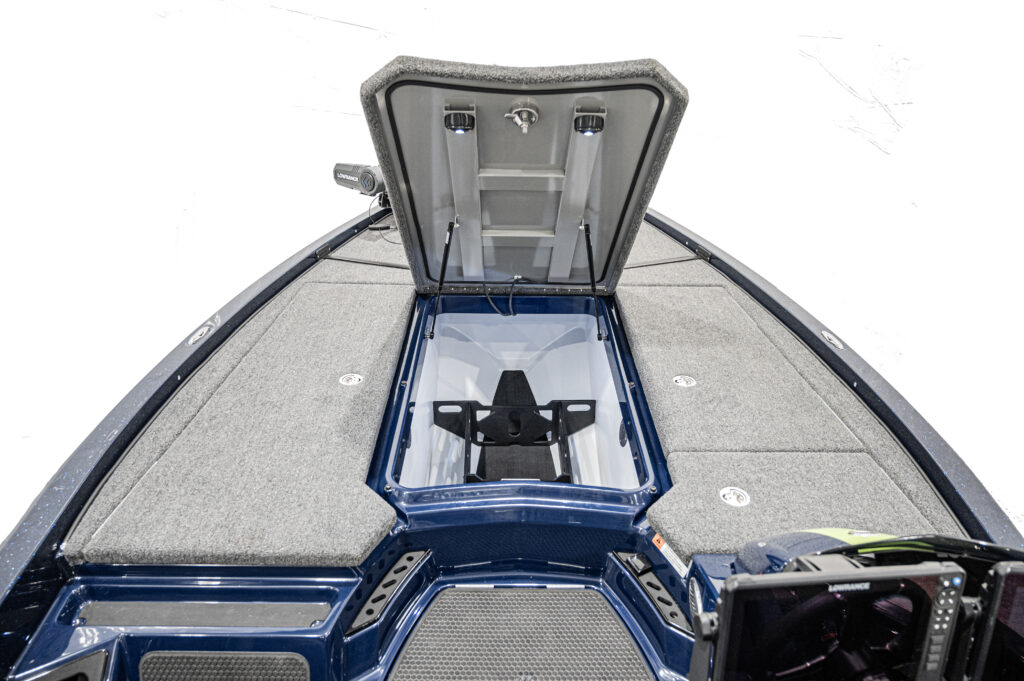
Inspecting the interior of a bass boat is just as important as evaluating its exterior components. The condition of the seats, carpet, and storage compartments can significantly impact your overall satisfaction with the boat. Wear and tear on the interior can not only affect your comfort but also indicate how well the boat has been maintained.
A meticulous examination of the boat’s interior and storage areas can help identify any potential issues or replacement costs, aiding your final decision-making process. Ensuring the boat’s interior is well maintained and functional will enhance your overall bass fishing experience and contribute to the longevity of your investment.
Seats and Carpet
Checking the condition of the seats and carpet is an essential step in the boat inspection process. Look for any signs of wear and tear, fading, or damage that may impact your comfort on the water. Faded seats may imply that the boat has been stored outside in the elements, which can affect the overall condition of the boat.
In addition to inspecting the seats and carpet, consider the potential replacement costs associated with any damage or wear. A comprehensive evaluation of the condition of the seats and carpet not only ensures a comfortable and enjoyable bass fishing experience but also helps avoid potential costly replacements in the future.
Compartments and Maintenance Logs
Storage compartments play a vital role in organizing your fishing gear and equipment. When inspecting a bass boat, check the storage compartments for mildew, damage, or potential leaks. An odor indicative of a deceased animal may suggest that wires or other components have been gnawed, warranting a more thorough inspection.
In addition to assessing storage compartments, it’s essential to review the boat’s maintenance logs to ensure proper upkeep. Regular maintenance and documentation should include:
- Oil changes
- Gear oil changes
- Water pump impeller replacements
- Bearing repacking or replacement
These steps are crucial for a reliable and well-maintained boat, as boats tend to require consistent care.
A rigorous inspection of storage compartments and maintenance logs bolsters confidence in your investment. Assuring that the boat has been well cared for and maintained.
Test Drive and Final Checks

Before finalizing your bass boat purchase, a test drive is a crucial step in evaluating the boat’s performance on the water. This hands-on experience allows you to:
- Identify any potential leaks or issues that may not be apparent during a casual inspection
- Assess the boat’s handling and maneuverability
- Test the boat’s speed and acceleration
- Evaluate the comfort and functionality of the seating and controls
A smooth and successful test drive can provide you with the confidence needed to make an informed decision.
In addition to the test drive, it’s essential to verify warranty coverage. Additionally, obtain background information on the boat’s history and previous owners. Ensuring that the boat is covered by a reputable manufacturer’s warranty and has a documented history can provide peace of mind in your purchase.
Undertaking a test drive and final checks helps ascertain the soundness of your bass boat investment.
Test Drive Experience
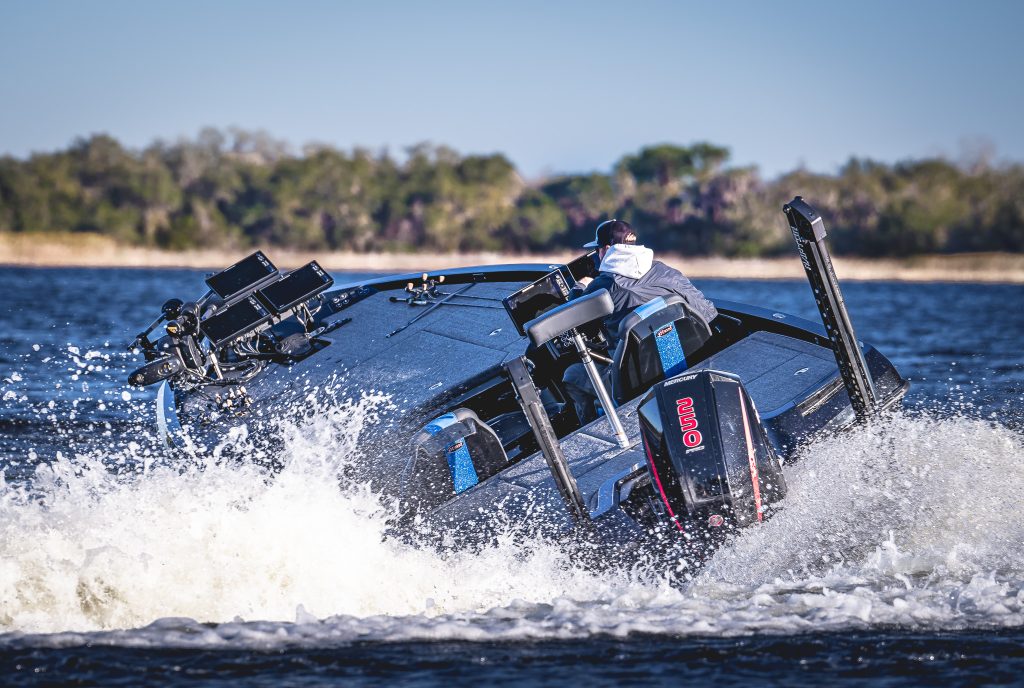
During the test drive, pay close attention to the boat’s performance on the water and any potential issues that may arise. Inspect all gauges, running lights, and courtesy lights to ensure they are functioning properly. Additionally, flush the head and run fresh and raw water to check for any potential problems.
Ensure that the boat’s motor, battery, cables, and trailer are all in good condition and functioning optimally. Identifying any issues during the test drive allows you to address them before finalizing your purchase, ensuring a better performance and overall satisfaction with your bass boat. A rigorous evaluation of the boat during the test drive instills confidence in its performance capabilities on the water.
Warranty and Background Information
Verifying warranty coverage is an essential step in the bass boat purchasing process. Look for a reputable manufacturer with a reliable warranty to ensure your investment is protected. Understanding the terms and conditions of the warranty and what is covered can provide peace of mind and help you make a well-informed decision.
In addition to verifying warranty coverage, obtaining background information on the boat’s history is important. Previous owners can provide valuable insight into the boat’s overall condition and performance. A comprehensive investigation into the boat’s history and warranty allows you to invest with confidence in a bass boat. Subsequently, fulfil your expectations and delivers a satisfactory fishing experience.
Summary
In conclusion, purchasing the right bass boat requires careful consideration. There are various factors, such as size, material, essential component inspection, trailer and tow vehicle requirements, and interior storage areas. By thoroughly evaluating each aspect of the boat you can easily make a descision.Other factors like a test drive, warranty and background information can help. Additionally, you can confidently invest in a bass boat that meets your unique needs and enhances your fishing experience. The guidance provided in this comprehensive guide will help you embark on your bass fishing adventures.
Frequently Asked Questions
The best time of year to buy a bass boat is Fall. Manufacturers tend to offer discounts and pricing cuts due to declining demand. Boats are coming out of the water and into dry storage for winter, so many people have already finished their boat shopping for the season.
The factors you should consider when choosing a bass boat is take into account the size of the body of water you’ll be fishing in. Additionally, the material the boat is made of (aluminum or fiberglass), and whether to buy a new or used vessel. Consider the size of the body of water you’ll be fishing in. If you’re fishing in a large lake or river, you’ll need a larger boat than if you’re fishing in a small pond. The material the boat is made of is also important. Aluminum boats are lightweight and durable, while fiberglass boats are more
The difference betwee aluminum and fiberglass bass boats are aluminum bass boats are more budget-friendly and better able to handle impacts, while fiberglass boats provide a smoother ride and superior performance in larger bodies of water.
In order to ensure your tow vehicle has the necessary capacity to tow a bass boat safely is to ensure your tow vehicle has the necessary capacity to tow your bass boat safely by choosing a truck or SUV with a towing capacity of no less than 5,000 pounds, and using a full-sized truck or SUV for larger boats. For larger boats, it is important to use a full-sized truck or SUV to ensure the towing capacity is sufficient. The towing capacity should be no less than 5,000 pounds. This will ensure your bass boat is towed safely.
About the Author

Chuck Pippin
I began my career as a Bass fishing guide in 1997 on West Lake Toho and the Kissimmee Chain of Lakes, during my junior year at the University of Central Florida. After graduating, I moved to Clewiston, Florida and spent 5 years as a guide at Roland Martin's Marina on Lake Okeechobee. During this time, I began my career as a professional tournament angler fishing both the FLW Tour and the B.A.S.S. Southern Opens. In October of 2002, I moved back to the Orlando Florida area to continue my guiding career on West Lake Tohopekaliga, the Kissimmee Chain of Lakes and other Orlando area lakes. To this day, I continue to do approximately 300+ charters per year. I still thoroughly enjoy the sport of Bass fishing.
