
Tips for Effective Bass Boat Maintenance and Care

Owning a bass boat is a thrilling experience, offering the freedom to explore open waters and reel in the catch of the day. However, this pleasure comes with the responsibility of proper bass boat maintenance and care to ensure your boat’s longevity and performance. A well-maintained bass boat can save you from frustrating breakdowns, costly repairs, and even potential safety hazards.
In this blog post, we’ll guide you through the process of maintaining your bass boat in top condition, covering unique aspects of bass boat maintenance and care, seasonal preparations, a comprehensive maintenance checklist, advanced techniques for longevity, and preventative measures. By following the tips and strategies presented here, you’ll enjoy smooth sailing and exceptional on-water performance for years to come.
Article Overview
- Understand and maintain the unique aspects of your bass boat for optimal performance.
- Carry out pre-summer inspections, winterization protocols, cleaning and waxing to protect your boat from damage.
- Follow regular maintenance procedures such as fuel line management, upholstery care, freshwater flushing after saltwater use & replacing wear items to optimize on water performance & safety.
Understanding Bass Boat Specifics

Bass boat owners must be aware of the unique aspects of their vessels to ensure optimal performance and longevity. Boats, particularly those made of fiberglass, require a specific maintenance schedule that addresses common issues such as fuel or battery-related problems, engine troubles, and operator errors. Once you understand your bass boat’s unique aspects and stick to a straightforward maintenance checklist, you’ll have the tools to tackle these challenges and maintain your boat’s smooth operation.
Maintaining a clean exterior is a key aspect of bass boat ownership. This not only protects your boat’s structure but also prevents the spread of invasive species and enhances overall performance. A consistent boat maintenance schedule can be the key to ensuring your boat remains in optimal condition, allowing you to enjoy the open waters with peace of mind.
Seasonal Prep for Your Bass Boat

As the seasons change, so do the maintenance requirements of your bass boat. Proper seasonal preparation is essential to keep your boat functioning at its best and avoiding potential issues down the line. By following boat maintenance tips and attending to your boat’s engine, fuel system, and components, you’ll be well on your way to a trouble-free boating experience.
The upcoming subsections will detail the steps necessary to prepare your bass boat for the changing seasons, encompassing pre-summer inspections and tune-ups, and appropriate winterization techniques. By addressing seasonal maintenance needs, you’ll not only ensure your boat’s longevity but also optimize its performance and safety.
Pre-Summer Inspection and Tune-Up
Inspection and tune-up of your bass boat before the arrival of summer season are necessary to ensure it’s ready for the sunny days on the water. Key areas to check include:
- The trailer
- The hull
- The electrical system
- The bilge
- The safety equipment
- The drain plugs
- The trailer bushings
Regular maintenance tasks such as these help to prevent potential issues and breakdowns, allowing you to make the most of your time on the water.
Follow a systematic process to clean your bass boat for summer use, which involves rinsing with a hose, using a boat cleaning solution, scrubbing rims and sidewalls, wiping down seats, and cleaning the deck and bow. It’s also essential to have the necessary tools on hand, such as an adjustable wrench, multi-bit screwdriver, needle nose pliers, and a battery terminal puller. With a thorough pre-summer inspection and tune-up, your bass boat will be ready for an enjoyable and hassle-free season.
Winterization Wisdom
Proper winterization of your bass boat to protect it from off-season damage becomes necessary as the boating season ends. Winterization involves several steps, including:
- Removing the drain plug
- Elevating the bow
- Blowing out the livewell pump outs and bilge pumps
- Loosening the winch strap
- Lubricating necessary parts
- Removing any remaining items from the boat
Neglecting to winterize your bass boat can lead to a range of damage, such as freezing and expansion of water inside the engine, corrosion of metal parts, damage to the cooling system, and potential for impact, theft, vandalism, fire, freezing, flood, or pest damage. To prevent these issues, use recommended products for winterizing, such as baking soda and water for cleaning terminals, petroleum jelly or grease for protecting terminals, mildew odor control bags, and fuel stabilizers like Pennzoil Fuel Stabilizer, PRI-G, and Stabil.
Winterization not only safeguards your boat during the off-season but also readies it for use as the weather gets warmer.
The Essential Bass Boat Maintenance Checklist
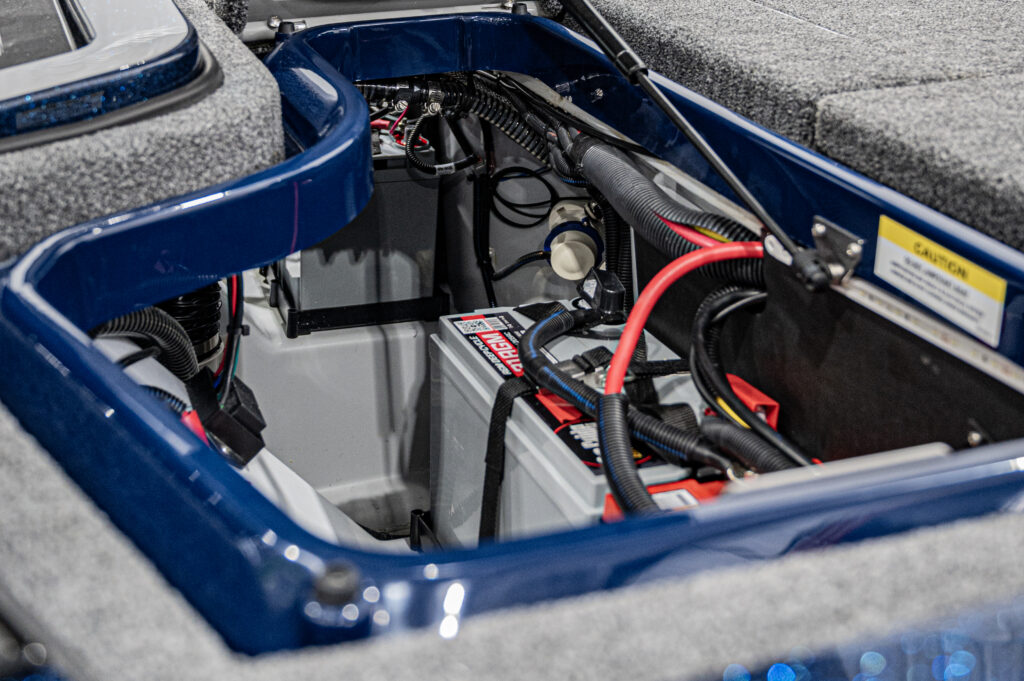
With a solid understanding of bass boat specifics and seasonal preparations, it’s time to dive into the essential basic boat maintenance checklist. This comprehensive list covers critical areas such as hull and gel coat care, engine and propeller protocols, and electrical and electronics upkeep. By following this checklist, you’ll ensure your boat is maintained to the highest standards, preventing potential breakdowns and optimizing its performance.
In the following subsections, we’ll delve deeper into each area of the maintenance checklist, providing detailed tips and strategies for keeping your bass boat in top condition. By adhering to these maintenance guidelines, you’ll not only protect your investment but also enjoy a smoother and safer boating experience.
Hull and Gel Coat Care
Proper maintenance of your bass boat’s hull and gel coat is vital to preserve its appearance and protect it from stains and deterioration. Regular cleaning and waxing can help maintain your boat’s exterior and prevent the buildup of dirt, grime, and algae. Utilize recommended cleaning products such as International Stain Remover, Silky Marine Bright, and Starbrite Hull Cleaner to keep your boat looking its best.
Aside from cleaning, it’s essential to address any damage to the hull and gel coat of your fiberglass boat promptly. Using a fiberglass repair kit and following the provided instructions can help you fix any cracks or blisters, ensuring your boat remains structurally sound and protected from the elements.
By giving your hull and gel coat the care they deserve, you’ll maintain the integrity of your bass boat and enhance its overall performance.
Engine and Propeller Protocols
Maintenance of engine and propeller is key to ensuring your bass boat runs smoothly and efficiently. Regular inspections can help detect any buildup of fishing line around the propshaft and propeller, which can damage the propshaft seal and lead to costly repairs. Following engine maintenance tips, such as checking for leaks, ensuring adequate fuel and oil levels, and monitoring oil pressure and voltmeters, can help prevent issues and optimize engine performance.
When it comes to oil changes, follow the recommended frequency based on your boat’s engine type, and always use high-quality marine engine oil. Regularly replacing filters and belts is also essential for maintaining optimal engine performance. By adhering to these engine and propeller maintenance protocols, you’ll ensure the longevity and reliability of your bass boat’s most vital components.
Electrical and Electronics Upkeep
Maintenance of electrical systems and electronics on your bass boat is necessary for the correct and safe functioning of all components. Proper battery care, including cleaning and lubricating terminals, charging batteries, and using the right type of battery, can help prevent issues such as corrosion and system failure.
In addition to boat batteries maintenance, take steps to protect your boat’s electrical connections from corrosion and damage by using contact cleaner spray or a solution of water and baking soda. Regularly inspect your boat’s navigation equipment, such as the compass, GPS/chartplotter, depth finder, and VHF radio, to ensure they’re all working correctly.
By keeping your boat systems, including electrical and electronics, in good condition, you’ll optimize on-water performance and safety.
Advanced Maintenance Techniques for Longevity
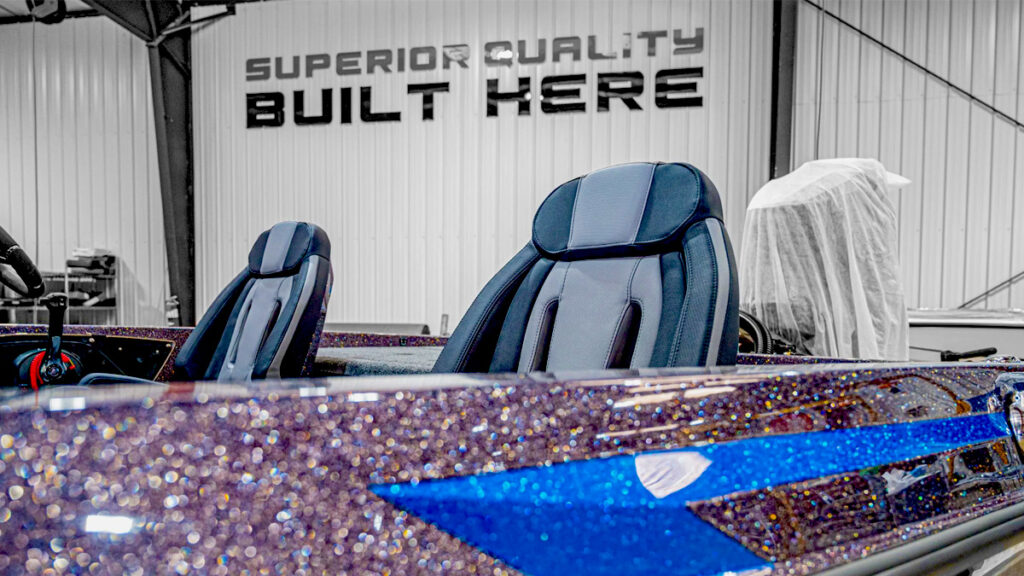
Having covered the basics, we now move to some advanced maintenance techniques to prolong your bass boat’s life. These techniques go beyond routine maintenance and focus on areas such as fuel line and tank management, as well as upholstery and trailer care. By addressing these often-overlooked aspects of bass boat maintenance, you’ll further protect your investment and enhance your boat’s performance and lifespan.
In the following subsections, we’ll provide detailed tips and strategies for managing fuel lines and tanks and caring for your boat’s upholstery and trailer. By incorporating these advanced techniques into your maintenance routine, you’ll enjoy an even smoother and more enjoyable boating experience.
Fuel Line and Tank Management
Managing your bass boat’s fuel lines and tanks correctly is necessary for optimal engine performance and to prevent issues like leaks or ethanol damage to rubber tubing. Regularly inspect fuel lines, vents, and connections for any signs of wear, and use the recommended fuel types for your boat, such as 87 octane gasoline or ethanol-free gasoline with a minimum octane rating of 87.
Additionally, consider using fuel stabilizers to keep your fuel fresh and prevent issues such as oxidation and phase separation. Proper fuel line and tank management not only ensures the longevity of your boat’s engine but also contributes to a more reliable and enjoyable boating experience.
Upholstery and Trailer TLC
Caring for your boat’s upholstery and trailer is as important as maintaining its engine and electrical systems. Regular cleaning and protection from UV damage can help keep your boat’s upholstery looking and functioning its best. Use recommended cleaning products, such as boat soap, Scrubbing Bubbles, Lemon Pledge, and Marine 31, to keep your boat’s seats and surfaces clean and protected.
When it comes to trailer maintenance, annual and seasonal inspections can help identify and address any issues such as rust, broken springs, or grease buildup. Properly maintaining your boat’s upholstery and trailer not only ensures the overall aesthetics and functionality of your bass boat but also contributes to its longevity and value.
Preventative Measures for Bass Boat Health

Preventative measures significantly contribute to maintaining your bass boat’s health and performance. By staying proactive and regularly addressing potential issues before they become problematic, you’ll minimize the need for costly repairs and maximize your boat’s lifespan. In this section, we’ll discuss the importance of freshwater flushing after saltwater use and the regular replacement of wear items, such as oil, filters, and belts.
From protecting your boat’s hull and engine from the corrosive effects of saltwater to ensuring optimal performance through routine replacements, these preventative measures will help you maintain your bass boat’s health and extend its useful life.
Freshwater Flushing after Saltwater Use
Exposure to saltwater can adversely affect bass boats by accelerating deterioration and causing corrosion in components like the propeller, skeg, and motor mount. Hence, flushing your bass boat with freshwater after each saltwater use becomes necessary, as it helps remove salt and other potentially harmful contaminants.
To properly flush your boat, you’ll need equipment such as:
- a motor flusher
- a flush bag
- a portable water tank with a pressure pump
- a hose
By making freshwater flushing a regular part of your maintenance routine, you’ll protect your boat from the damaging effects of saltwater and ensure its longevity.
Regular Replacement of Wear Items
Just like any other vehicle or machine, bass boats have wear items that require regular replacement to ensure optimal performance and prevent breakdowns. These items include:
- oil
- filters
- belts
- power poles
- safety equipment
- motor hoses
- trailer bushings
- seals
- wear sleeves on spindles
Following manufacturer guidelines and replacing these items at the recommended intervals will help maintain your boat’s performance and extend its lifespan. By staying on top of these regular replacements, you’ll enjoy a more reliable and enjoyable boating experience. Here are some items to regularly replace:
- Spark plugs
- Fuel filters
- Engine oil
- Lower unit oil
- Water pump impeller
- Propeller
By replacing these items as recommended, you can ensure that your bass boat is always in prime condition.
Optimizing On-Water Performance and Safety
With appropriate maintenance and preventative measures, your bass boat is set to hit the water. But for fully optimized on-water performance and safety, considerations like correct weight distribution, navigation equipment, and emergency preparedness are necessary. By addressing these aspects, you’ll ensure a smooth and enjoyable experience for everyone on board.
In this final section, we’ll provide tips on balancing your boat’s weight, ensuring your navigation equipment is in good working order, and being prepared for any emergency situations that may arise. With these factors in mind, you’ll be well-equipped to make the most of your time on the water while ensuring the safety of yourself and your passengers.
Summary
Throughout this blog post, we’ve provided a comprehensive guide on bass boat maintenance, covering everything from understanding the unique aspects of bass boats to advanced techniques for ensuring longevity and preventative measures. By following the advice and tips presented here, you’ll be well-equipped to keep your bass boat in top condition, ultimately enjoying a smoother and safer boating experience.
As you embark on your next fishing trip or leisurely cruise, remember that proper maintenance is the key to preserving your bass boat’s performance, value, and lifespan. By investing time and effort in regular upkeep, you’ll not only protect your investment but also create lasting memories on the water with a reliable and well-maintained vessel.
Frequently Asked Questions
How do you take care of a bass boat?
To take care of a bass boat, all fuel and oil lines must be tight, and engine mounting bolts should be checked before the first trip. Clean seats and tires regularly with a UV protector product and wax the hull to keep UV rays from destroying it. Finally, wash down the boat after each trip and store it under a cover or in a garage.
What is basic maintenance for a boat?
Basic maintenance for a boat involves using fuel with no ethanol, adding marine-specific fuel stabilizer to prevent oxidation and phase separation, checking engine oil before every outing, removing the propeller and checking the propshaft a few times a season, and scrubbing and waxing the exterior finish. Additionally, responsible boaters should regularly check the bilges and fittings, keep moving parts lubricated, and make sure fishing line is not wrapped around the prop shaft.
What is recommended for the general maintenance of your boat?
It is important to inspect all fluid levels, oil levels and the condition of your battery before every voyage. Additionally, make sure to check and service your transmission according to the manufacturer’s recommendations in order to ensure a safe voyage.
How many hours is too much on a bass boat?
Boats with 1500 hours or more are considered to have a lot of hours. While normal usage is usually 50-75 hours per year, any boat with higher than 1500 hours should be carefully inspected for proper maintenance and potential issues.
What type of oil should I use for my bass boat’s engine?
For your bass boat engine, use high-quality marine engine oil rather than automotive oil. Check with the manufacturer or get professional advice to determine the best oil for your specific boat.
About the Author

Chuck Pippin
I began my career as a Bass fishing guide in 1997 on West Lake Toho and the Kissimmee Chain of Lakes, during my junior year at the University of Central Florida. After graduating, I moved to Clewiston, Florida and spent 5 years as a guide at Roland Martin's Marina on Lake Okeechobee. During this time, I began my career as a professional tournament angler fishing both the FLW Tour and the B.A.S.S. Southern Opens. In October of 2002, I moved back to the Orlando Florida area to continue my guiding career on West Lake Tohopekaliga, the Kissimmee Chain of Lakes and other Orlando area lakes. To this day, I continue to do approximately 300+ charters per year. I still thoroughly enjoy the sport of Bass fishing.
