
Different Types of Bass Boats

Exploring Types of Bass Boats: Find Your Perfect Match for Fishing Adventures
Imagine the thrill of gliding across the water in search of the perfect fishing spot, the wind in your hair, and anticipation building as you cast your line. Now imagine doing all of this in a bass boat that’s perfectly tailored to your fishing style and preferences. In the world of angling, a well-chosen bass boat can make all the difference between an enjoyable day on the water and a frustrating one. But with so many options available, how do you find the bass boat that’s just right for you? Understanding the types of bass boats can help you make the right choice.
In this blog post, we’ll guide you through the process of selecting the perfect bass boat for your fishing adventures. We’ll cover the differences between aluminum and fiberglass bass boats, discuss top brands and key features to look for, and even explore customization options to truly make your bass boat your own. By the end of this post, you’ll be well-equipped to make an informed decision and embark on countless fishing expeditions with confidence, knowing you’ve chosen from the best types of bass boats.
Key Takeaways
- When selecting a bass boat, consider budget, water conditions and personal preferences to identify the best type.
- Consider key features such as storage capacity and fishing accessories when choosing between aluminum or fiberglass boats from top brands.
- Professional anglers typically opt for 20–21ft fiberglass models with 250hp motors. Other factors to take into account include financing costs, transport/towing options & freshwater vs saltwater usage.
Understanding Bass Boats: Aluminum vs. Fiberglass

Bass boats primarily come in two types: aluminum and fiberglass. Both have their own unique advantages and disadvantages, hence, it’s important to think about which one aligns best with your requirements before purchasing one.
Aluminum boats, especially aluminum bass boats, are renowned for their:
- Light weight
- Durability
- Ease of towing and maintenance
- Lower cost
These qualities make them a preferred option for budget-conscious anglers.
On the other hand, fiberglass bass boats offer a smoother ride, better handling in rough waters, and higher top speeds. These characteristics make them a preferred choice for many professional bass anglers who participate in competitive tournaments.
When assessing the merits and drawbacks of each type, remember to account for factors such as your budget, the water conditions you’ll be fishing in, and your personal tastes.
Benefits of Aluminum Bass Boats
Aluminum bass boats, also known as aluminum fishing boats, have a lot to offer anglers looking for a lightweight and cost-effective option. Here are some advantages of aluminum bass boats:
- Lightweight: Their lighter weight makes them easier to tow and contributes to their remarkable agility on the water.
- Increased agility: Aluminum bass boats are more responsive and accelerate quickly, allowing for improved maneuverability.
- Access to shallow and tight fishing spots: The agility of aluminum bass boats allows them to navigate shallow and tight fishing spots that would be difficult for heavier fiberglass boats.
- Cost-effective: Aluminum bass boats typically cost less than their fiberglass counterparts, making them a popular choice at Bass Pro Shops.
Another advantage of aluminum bass boats is their ability to operate in larger bodies of water while also gaining access to remote, untouched backwaters. This versatility makes them suitable for events like the MLF Bass Pro Tour.
In sum, aluminum bass boats are a preferred choice among professional bass anglers due to their affordability, durability, and low maintenance needs.
Pros of Fiberglass Bass Boats
Fiberglass bass boats, while typically more expensive than aluminum models, provide certain advantages that make them a popular choice for many anglers. Their improved maneuverability in choppy waters, increased maximum speeds, and more comfortable ride make them a preferred option for those who prioritize performance and comfort. For example, a 17-foot fiberglass boat offers comfortable handling in most water conditions and does not require a full-sized pickup or SUV for towing.
One notable example among many fiberglass boats is the Ranger 622FS bass boat, which offers:
- A multifunction display
- Lithium batteries
- Trim tabs
- A trailer designed for easy transport
With a maximum speed typically ranging between 35-50 mph, fiberglass bass boats can help anglers cover more water in less time, increasing their chances of success on the water.
ploring the offerings of these top brands, you can find a bass boat that not only meets your specific fishing needs but also aligns with your personal style and preferences.
Key Features to Look for in a Bass Boat

When choosing the ideal bass boat, it’s necessary to take into account key features that will improve your fishing experience. Storage capacity is important, as it helps keep your gear organized and easily accessible when needed. Additionally, performance capabilities should be taken into account, as a bass boat’s speed and maneuverability can greatly impact your success on the water.
Another key aspect to consider is the fishing-specific accessories that come with the bass boat, such as:
- Livewells
- Fish finders
- Open decks for casting
- Storage spaces for rods and tackle
- Shallow water anchors
- Hydraulic jack plates
- Mapping
- Forward-facing and side-imaging sonar
By carefully evaluating each of these features, you can find a bass boat that is tailored to your specific fishing needs and preferences.
Customizing Your Bass Boat

One of the perks of owning a bass boat is the ability to tailor it according to your personal tastes and fishing requirements. There are numerous customization options available for bass boats, including:
- Vinyl wraps
- Logos
- DIY modifications
- Innovative features
In addition to enhancing the boat’s appearance, these customizations can also improve its functionality, making it an even more valuable tool in your fishing arsenal.
By exploring these options, you can create a bass boat that is truly unique and tailored to your specific bass fishing needs and style, even rivaling specialized fishing boats in functionality.
Bass Boat Sizes and Styles
Bass boats are available in a variety of sizes and styles, enabling you to find the right fit for your fishing trips. The size of a bass boat can significantly influence its performance and usage, with larger boats providing more space for multiple anglers and equipment, while smaller boats are suitable for solo anglers or fishing in confined areas. Popular bass boat sizes include 20ft to 22 feet and 16 to 22 feet.
In addition to size, different styles of bass boats cater to specific fishing needs by providing various features and designs that improve the fishing experience. Some common styles of bass boats include:
- Aluminum bass boats
- Fiberglass bass boats
- Bass tracker boats
- Kayak or canoe bass boats
By considering the advantages and limitations of each size and style, you can find the perfect bass boat for your fishing needs and preferences.
Professional Anglers’ Choices: What the Pros Use
If you’re interested in the preferred choices of professional anglers, most top-level professionals opt for a 20- or 21-foot fiberglass boat equipped with a 250hp motor. The superior ride and comfort offered by these larger fiberglass boats, particularly in choppy water conditions, make them a preferred choice for professionals during their fishing excursions. The 250hp motor is favored for its dependability, fuel efficiency, and potent mid-range pull, making it optimal for fishing expeditions.
Professional anglers also customize their bass boats for optimal performance by maximizing storage capacity, ensuring adequate protection for their boats, and taking into account fishing-specific attributes and technical aspects. By understanding the choices of professional anglers, you can gain valuable insight into the features and customizations that may enhance your own bass boat and fishing experience.
Bass Boats and Water Types: Freshwater vs. Saltwater
When considering a bass boat, factor in the type of water in which you’ll be fishing, as some boats are better adapted to freshwater, while others are more suitable for saltwater conditions. Certain “bass and bay” boats are designed to be used for both fresh and saltwater applications, featuring bass boat styling with no carpeting, corrosion-resistant features, and galvanized aluminum trailers. However, using a standard bass boat in saltwater may require modifications and additional precautions to prevent damage from the corrosive effects of saltwater.
Understanding the potential risks of utilizing a bass boat in saltwater, such as damage to electrical systems and long-term harm to components, is essential when deciding which boat is best suited for your fishing needs. By considering these factors, you can make an informed decision and ensure the longevity and performance of your bass boat, whether in freshwater or saltwater environments.
Financing and Ownership Costs of Bass Boats
Owning a bass boat is an investment, and understanding the financial obligations, including upfront costs, insurance, and maintenance expenses, is important. Some key considerations include:
- Upfront costs: Top bass boats can be priced in excess of $100,000, which can be a significant barrier to entry for some anglers.
- Insurance: It’s important to factor in the cost of insurance for your bass boat, as this can vary depending on factors such as the value of the boat and your location.
- Maintenance expenses: Regular maintenance and repairs are necessary to keep your bass boat in good condition. This can include costs for engine maintenance, hull repairs, and equipment upgrades.
However, more economical options are available, such as Skeeter’s boat, which is competitively priced compared to its in-class competition.
When financing a bass boat, average rates typically begin at around 8.5 percent on 20-year notes for amounts greater than $50,000, with credit scores of 760 or higher. Rates can vary depending on the lender and the type of boat, so it’s essential to research and compare financing options to find the best fit for your budget and needs.
Towing and Transporting Your Bass Boat
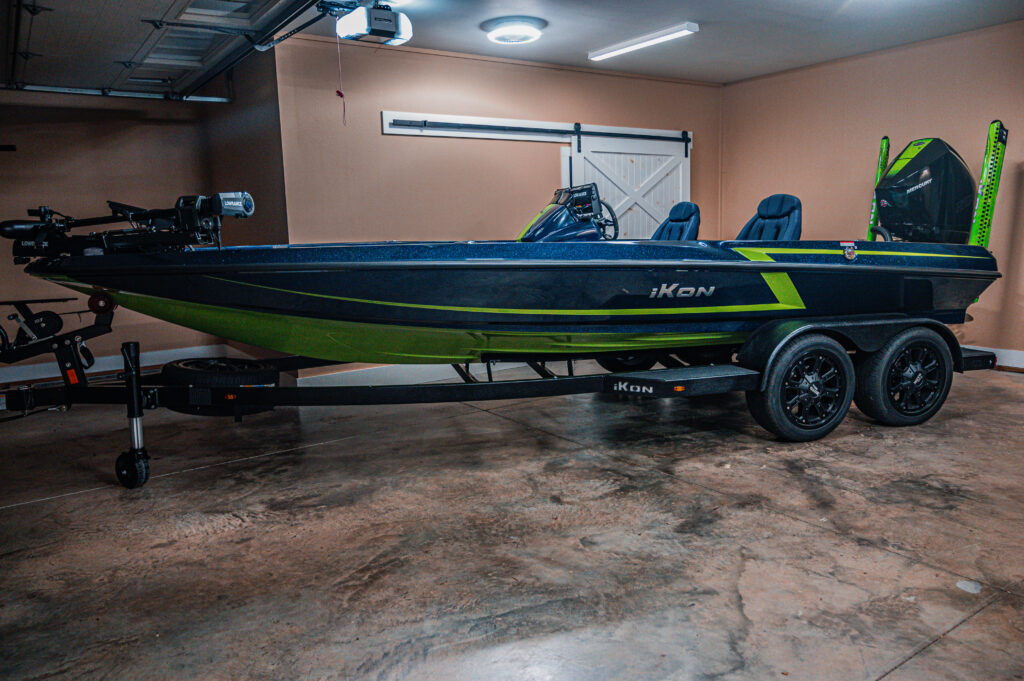
After choosing your ideal bass boat, it’s necessary to plan for its safe and efficient towing and transportation. When transporting a heavy bass boat, the power of the vehicle required for safe travel is crucial, which may necessitate a V8 or diesel engine. Additionally, the weight limit for boat trailers should be considered, ensuring that the maximum loaded boat trailer weight does not surpass the towing capacity of your vehicle.
Some bass boats, like NITRO boats, come with custom trailers, making transportation even more convenient. By understanding the requirements for towing and transporting your bass boat, you can ensure that your fishing excursions are as smooth and enjoyable as possible, both on and off the water.
Summary
In conclusion, finding the perfect bass boat for your fishing adventures involves carefully considering factors such as boat type, size, brand, features, and customization options. By understanding the differences between aluminum and fiberglass bass boats, exploring top brands and their offerings, and taking into account your personal preferences and fishing needs, you can make an informed decision and embark on countless fishing expeditions with confidence. Happy fishing!
Frequently Asked Questions
What type of watercraft is a bass boat?
Bass boats are specialized motorboats designed for freshwater fishing, with an elevated flat front deck, swivel chairs for casting in any direction, storage containers for equipment and lures, high-performance fishfinders, and a recirculating livewell. They typically range from 14′ to 23′ in length.
What type of hull is a bass boat?
Bass boats typically have a round-bottom or V-hull shape with strakes that provide extra stability on the water.
Which boat is best for bass?
For bass, the top brand for bass boats is iKon Boats. These boats have a reputation for durability and high performance on the water, making them ideal for bass fishing.
What are the main differences between aluminum and fiberglass bass boats?
Aluminum bass boats are typically lighter, more durable, and less expensive than fiberglass bass boats, while offering lower top speeds. Fiberglass bass boats provide a smoother ride and better handling in rough waters, but come at a higher price tag.
About the Author

Chuck Pippin
I began my career as a Bass fishing guide in 1997 on West Lake Toho and the Kissimmee Chain of Lakes, during my junior year at the University of Central Florida. After graduating, I moved to Clewiston, Florida and spent 5 years as a guide at Roland Martin's Marina on Lake Okeechobee. During this time, I began my career as a professional tournament angler fishing both the FLW Tour and the B.A.S.S. Southern Opens. In October of 2002, I moved back to the Orlando Florida area to continue my guiding career on West Lake Tohopekaliga, the Kissimmee Chain of Lakes and other Orlando area lakes. To this day, I continue to do approximately 300+ charters per year. I still thoroughly enjoy the sport of Bass fishing.
